
The short answer. If you only look at Korea’s shop floor, Olive Young looks like the larger store. That is not a reason to treat Sephora as the weaker option. The 2022 source was comparing how the shelf is built, not just who had more doors. Olive Young fights more by category and by product. Sephora gives space by brand. If you win with a single SKU, the first model may fit. If you need to protect price and a brand world, or you also want an overseas channel, the second model has a role. The right answer depends on the goal.
Figures from the Brunch article are as of 28 April 2022. They are not updated to 2026 unless a later public source is named and dated.
What this article covers
- Why a gap in scale is not the same as a choice
- Product-led shelves versus brand-led shelves
- Whether Korea sales alone are enough to drop Sephora
- How Singapore should use this comparison, including the 2026 Sephora assortment
Does a gap in scale decide the choice?
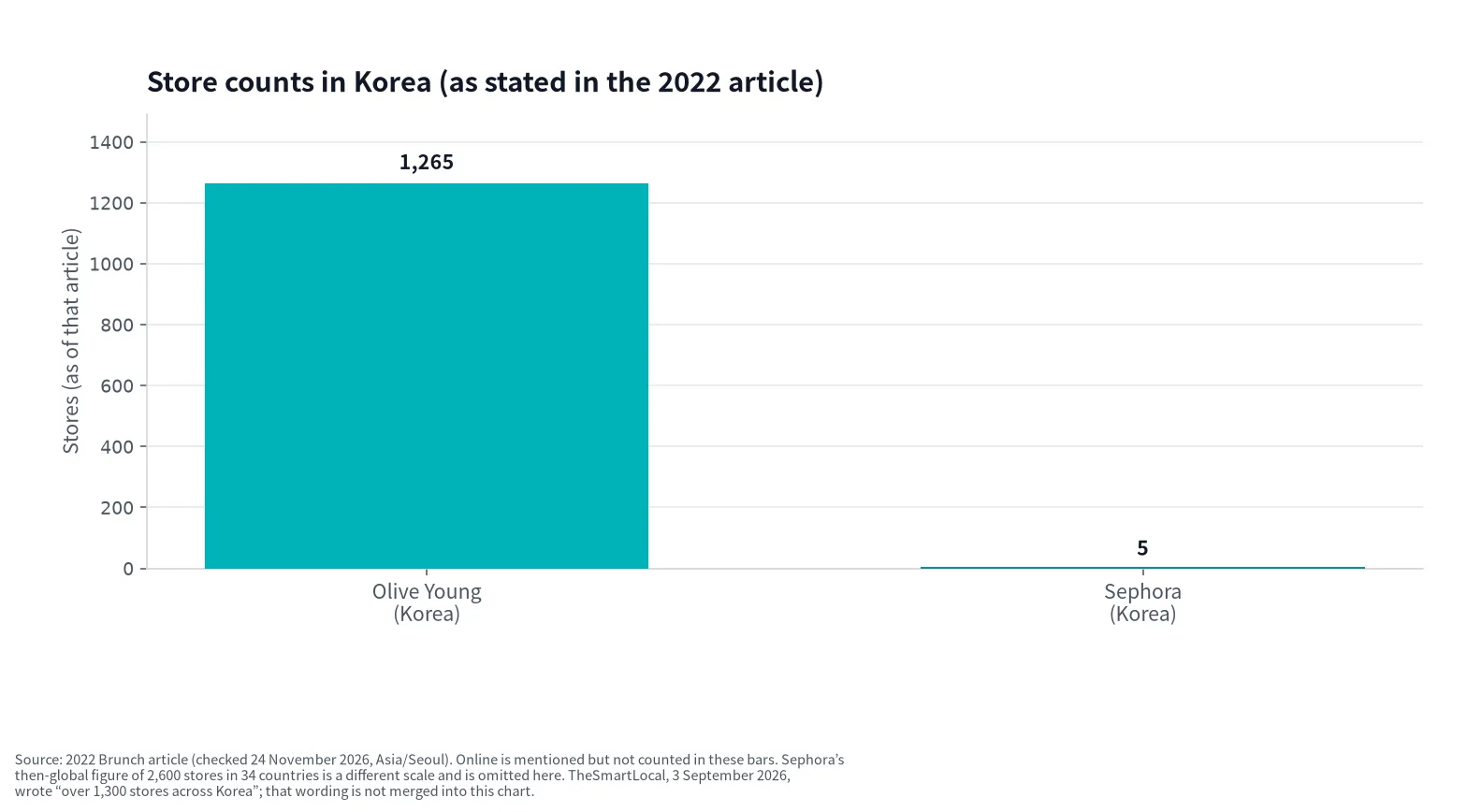
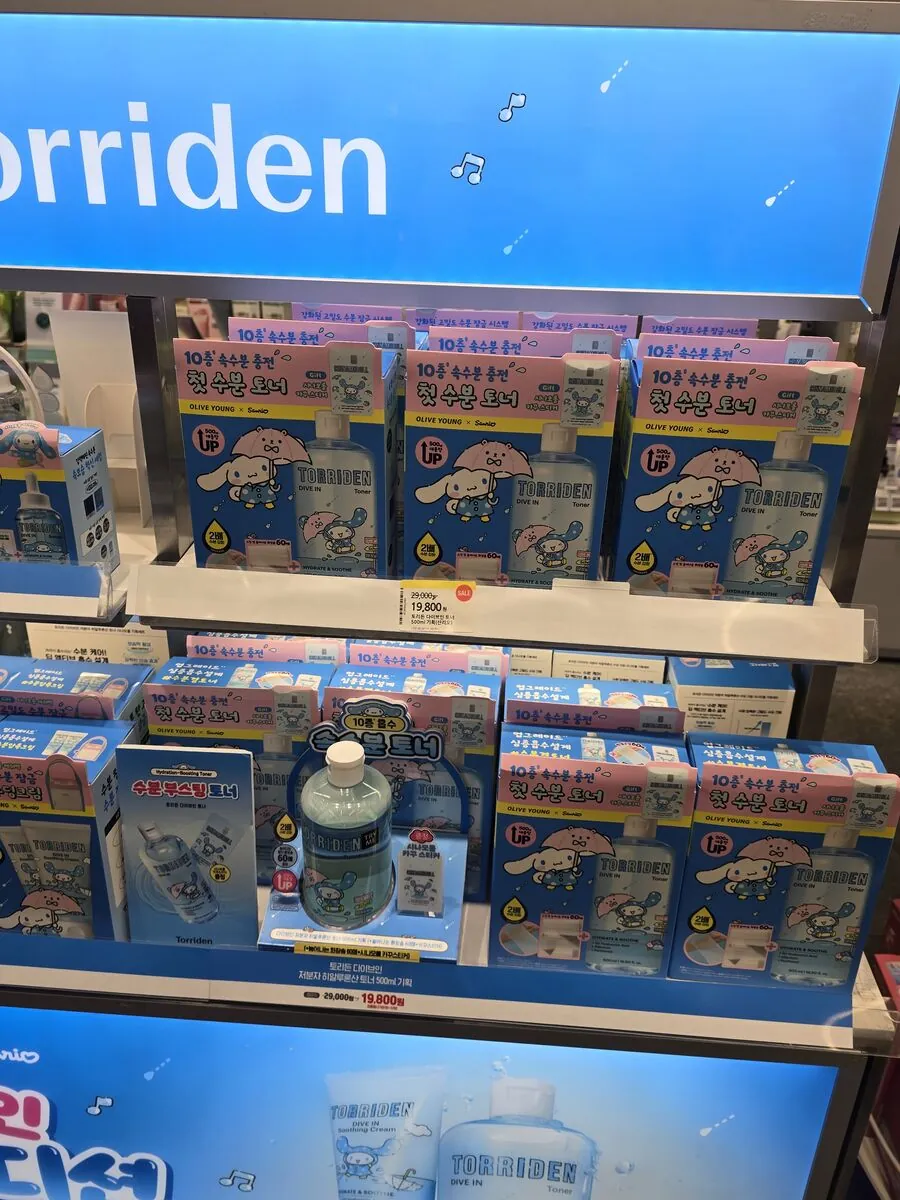
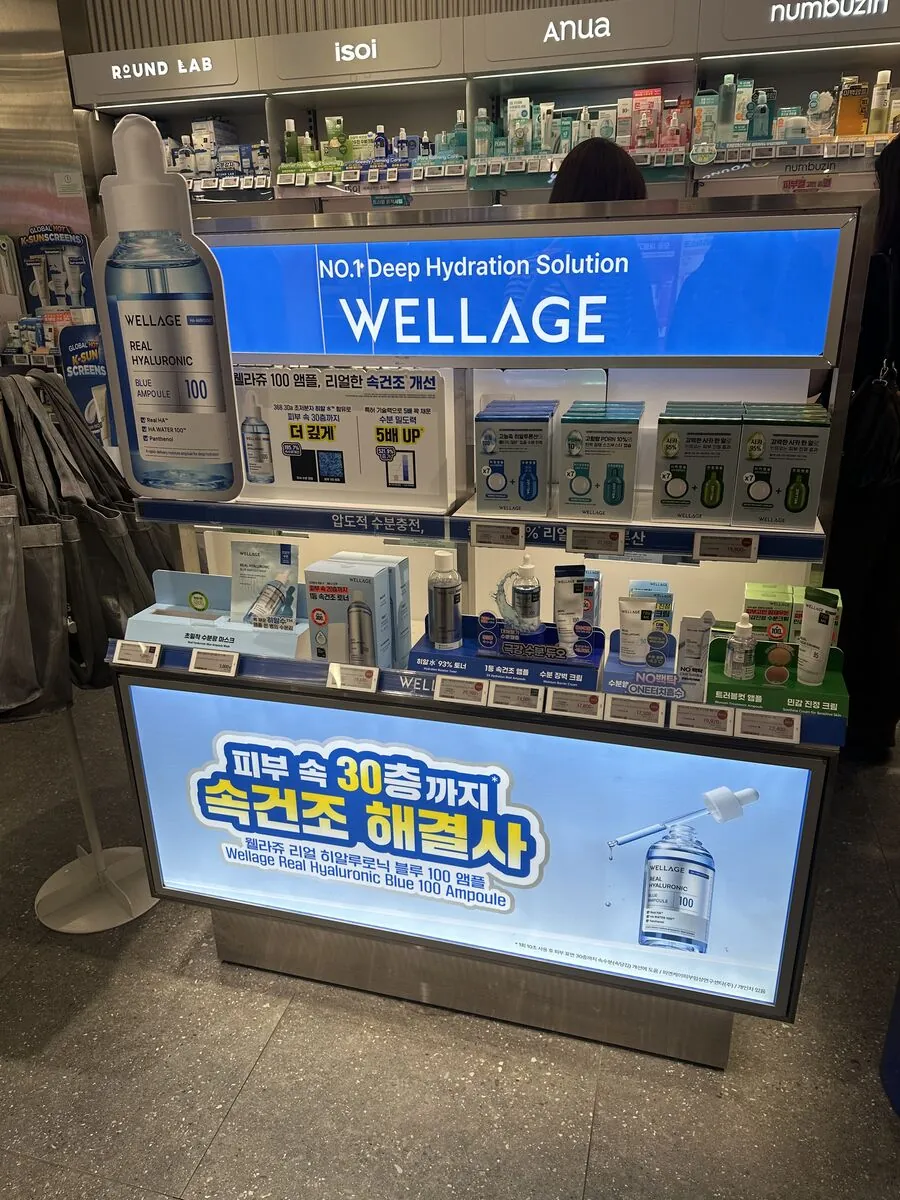
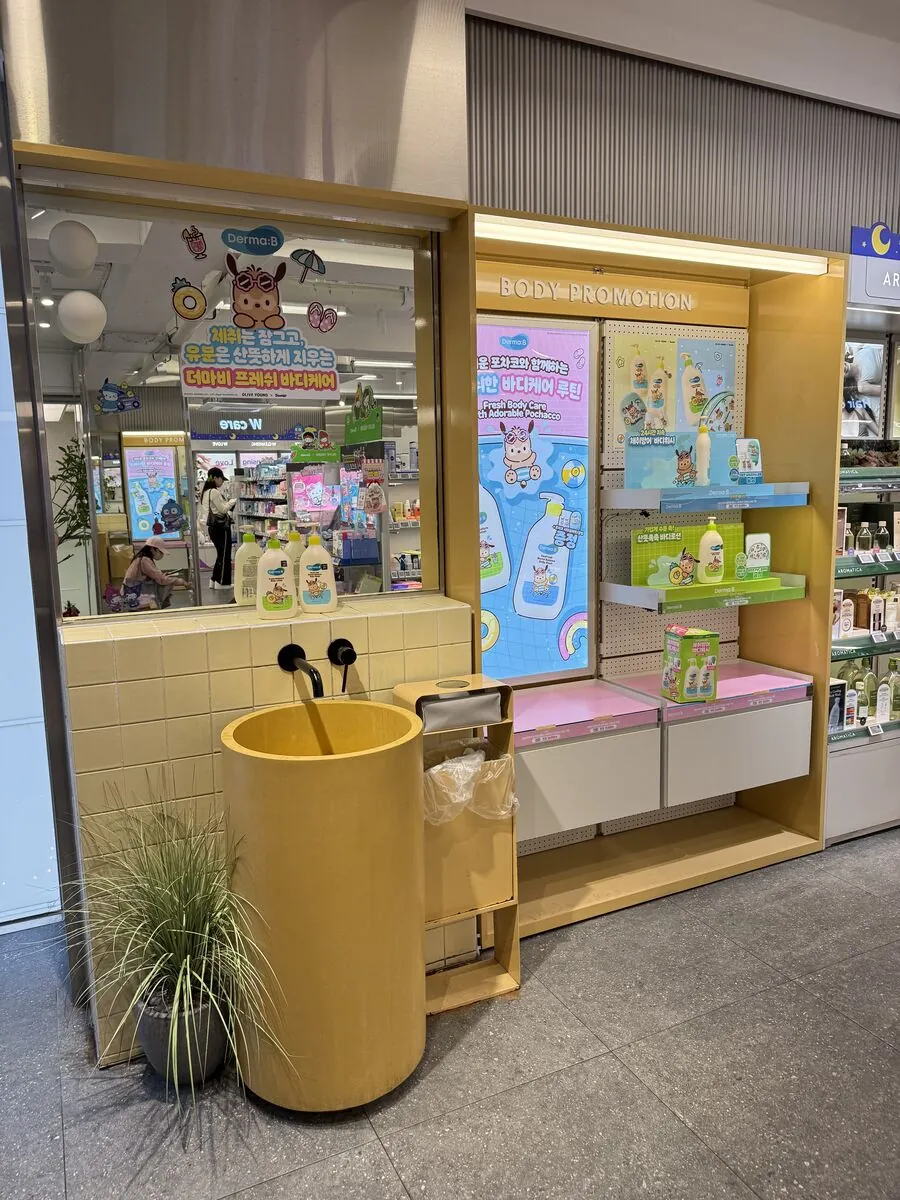
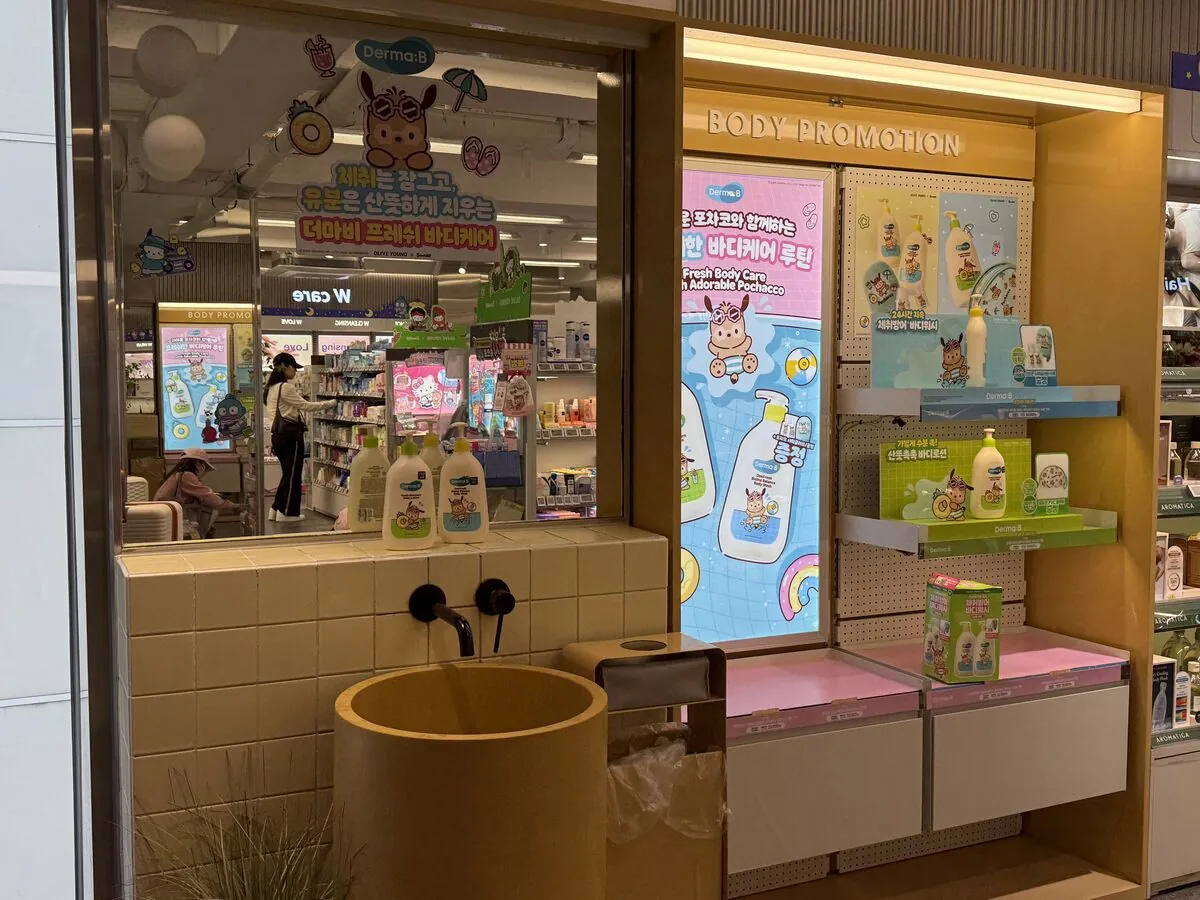
The 2022 source said Sephora Korea had entered in 2019 and, as of that article, had been loss-making for two years. It also placed Sephora globally, at that time, at 34 countries and 2,600 stores. The comparison with Olive Young was 1,265 stores plus online, against five Sephora Korea stores plus online.
The gap is large. The article’s point was still that “larger” is not always the right channel. It also noted that Korea’s corporate structure is strong, and that foreign firms often struggle to localise. This article does not extend those 2022 figures into a 2026 win-loss.
A later public figure sits in a 3 September 2026 TheSmartLocal article, which said Olive Young has “over 1,300 stores across Korea”. That is that article’s 2026 wording, not a census we ran. It should not be mixed with the 2022 “1,265” figure as if they were one count.
Data (source: Brunch, 28 April 2022; figures as of then; checked: 24 November 2026):
Data (source: TheSmartLocal, 3 September 2026, “over 1,300 stores across Korea”; checked: 24 November 2026):
Unverified: A Beaus-verified store census for November 2026; Sephora Korea’s current results
A shelf that fights by product, and a shelf that fights by brand
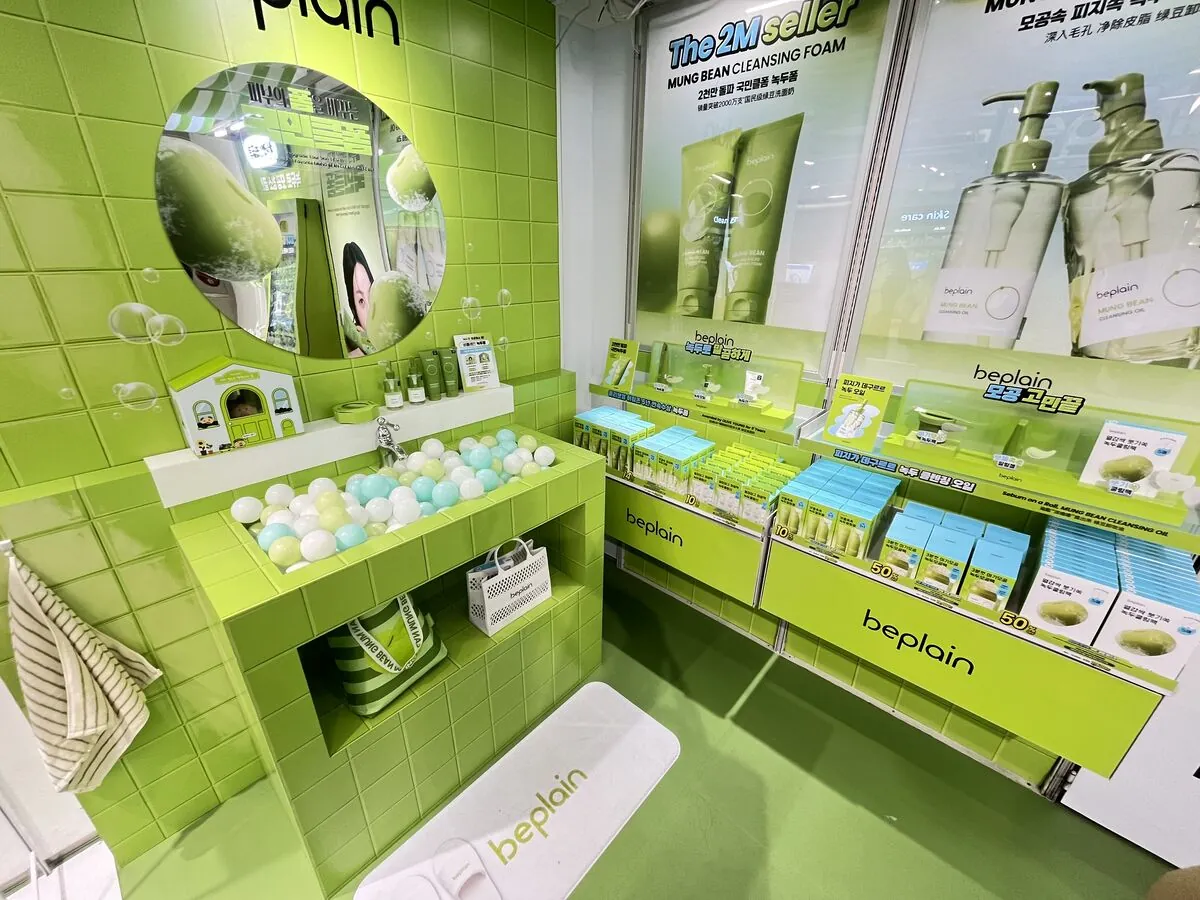
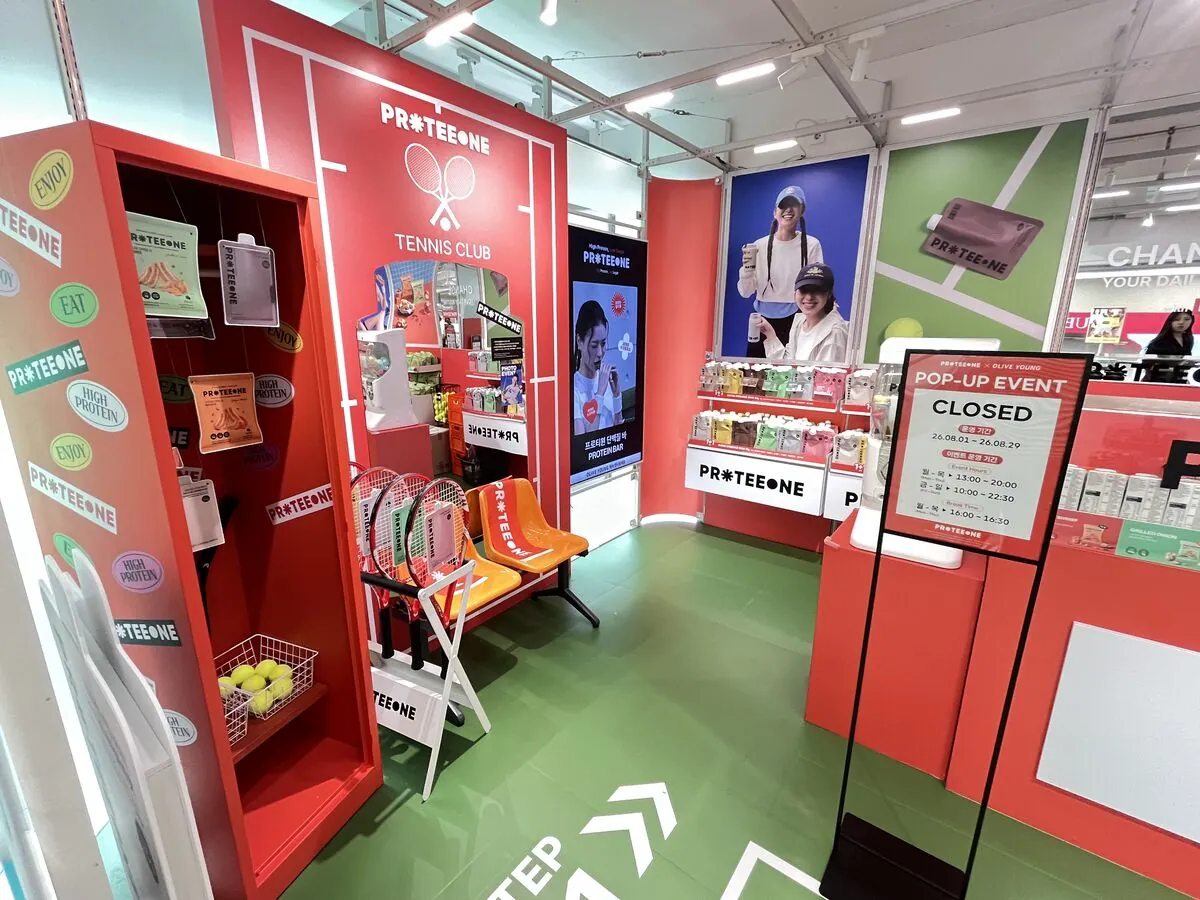
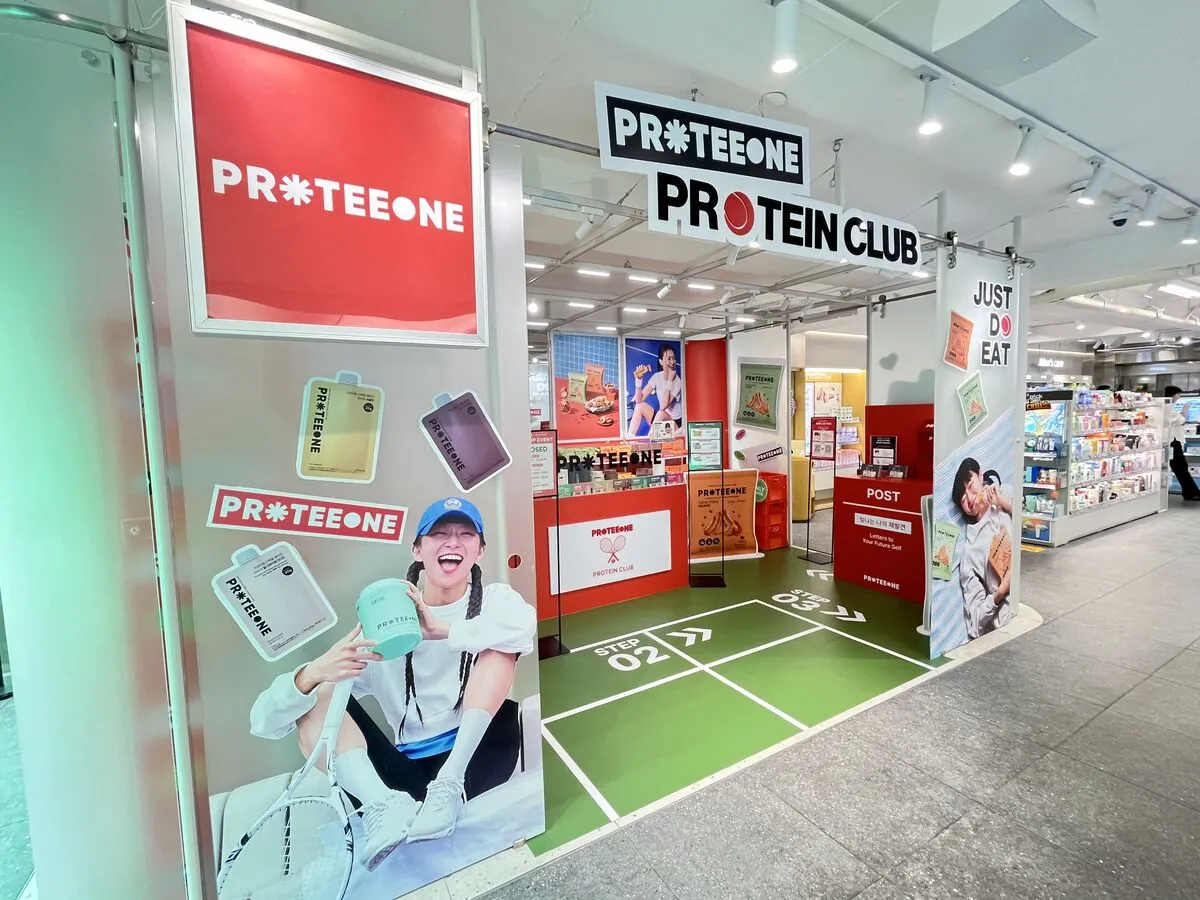
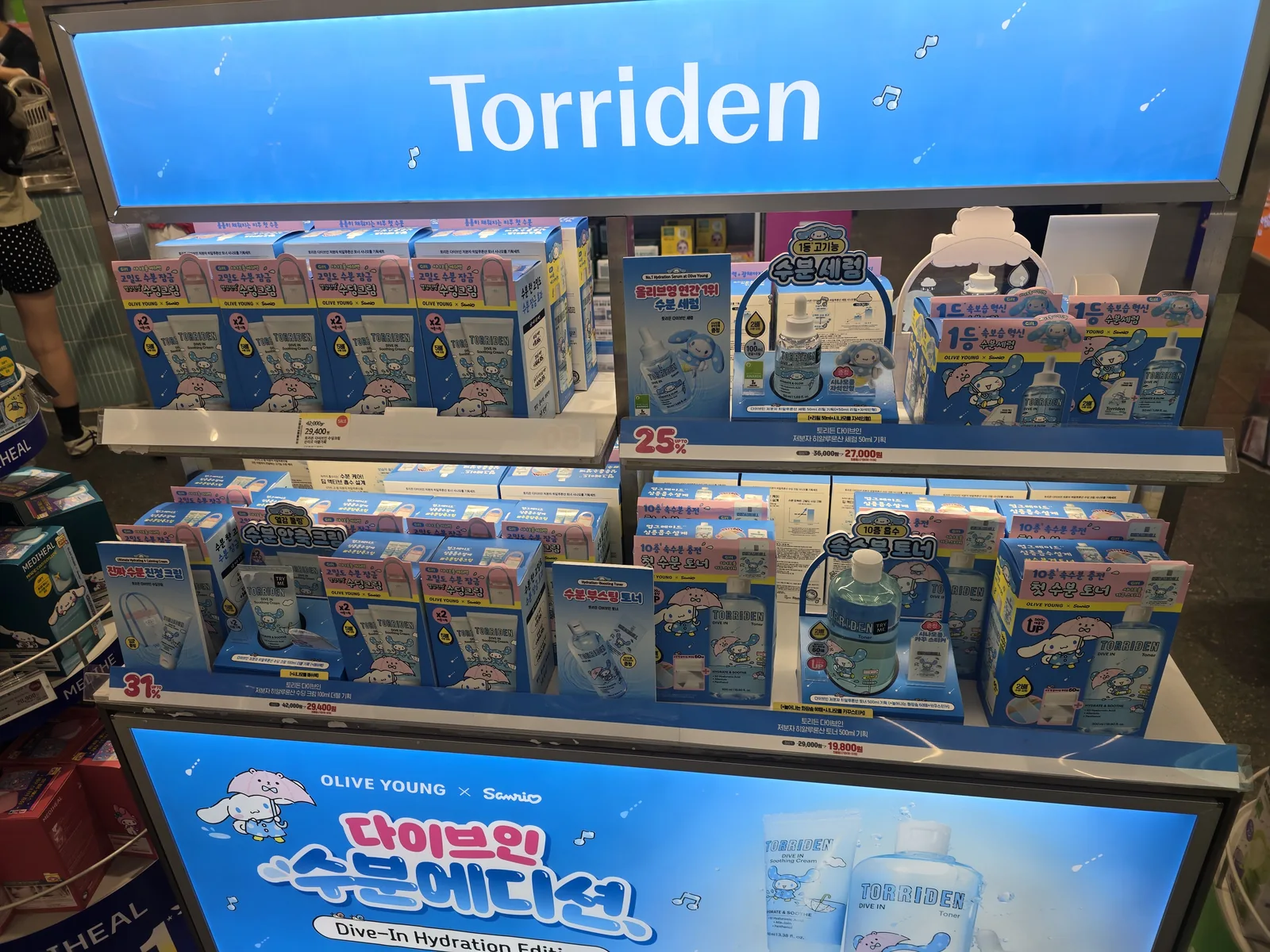
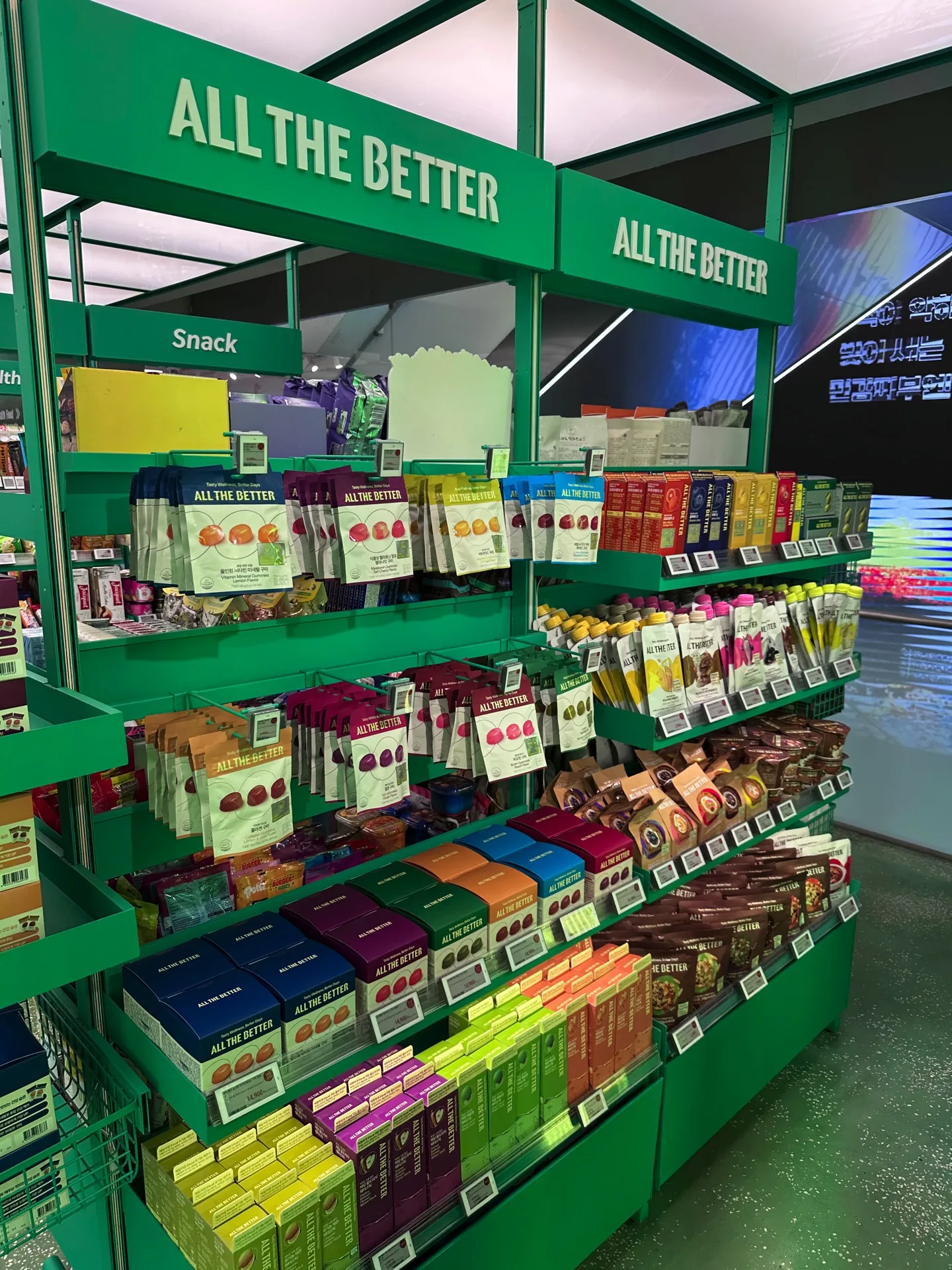
This is the distinction the 2022 source draws most clearly.
| Point (as of the 2022 article) | Olive Young | Sephora |
|---|---|---|
| How the shelf competes | By category and by product | The brand is the main unit |
| Then-guide to the floor | Many stores plus online | About 150 pyeong with about 100 brands — roughly one brand per pyeong |
| A goal that may fit | Moving one hero product | Protecting price and the brand as a unit; also looking overseas |
“One brand per pyeong” is the source article’s rough guide, not a precise productivity study. Even so, it shows what the shopper sees first: this product, or this brand.
A single-SKU fight for a quiet category is the same logic as the listing article (https://beausglobal.com/insights/oliveyoung-listing-not-just-the-formula). The 2022 article also described brands that chose a different path — for example on scent and world-view — and sat more naturally with Sephora. Current contracts and exclusives are unverified, so brand names are not pushed to the front here. What remains is the unit the shelf is cut in.
The same article said Sephora’s stance, as of spring 2022, was moving from “exclusivity at all costs” toward differentiation, product quality and price policy. That is a 2022 observation. It is not used here as a current contracting rule.
Marie Claire’s “Next K-Beauty” project is also described in the 2022 article, including a four-stage selection and benefits at the time. Whether the programme still runs the same way in 2026 is unverified. This article does not copy that process as a current open call.
Is Korea sales enough to drop Sephora?
The 2022 source did not keep Sephora in the conversation because of Korea store count. It kept it because, if overseas expansion is the goal, a channel that already crosses countries can be a choice. It mentioned the possibility of stretching toward Sephora in Hong Kong or the US. That was a possibility, not a promise of distribution for any named brand.
The article also said that, among brands that reach an M&A outcome, overseas sales often approach 80% of the mix. That is a statement in the 2022 article. The primary statistic is not cited there, so this article treats it as a then-claim, not as a current industry average.
Some brands, the same article said, use Olive Young as a flagship and as advertising, and take more of their sales overseas. The real question is not “which name wins”. It is what each channel is for.
How should a Singapore team use this comparison?
Singapore has Sephora stores, Watsons, Guardian and online marketplaces. It does not, as of the public reporting we have, have a standalone Olive Young store. What it did have, according to TheSmartLocal on 3 September 2026, was an Olive Young assortment at Sephora Singapore: 20 Korean beauty brands and more than 180 products, in Sephora stores and on the Sephora site and app.
That matters for shoppers, and it matters for brands. It does not mean the Korea Olive Young shelf and the Singapore Sephora assortment are the same, and it does not replace a listing conversation in Korea. Store-level sales for Sephora Singapore, Watsons or Guardian are not in the 2022 source, and are not added here.
Data (source: TheSmartLocal, 3 September 2026, https://thesmartlocal.com/read/olive-young-sephora-singapore/; checked: 24 November 2026):
Questions a Singapore team can actually use:
- Is this season’s goal a hero SKU, or a brand price and world-view?
- Do you first need a response in Korea, or a path that already exists overseas — including, now, a Singapore Sephora assortment?
- Can the product sit on the shelf without cutting what is already there?
How to approach a Korea Olive Young listing is set out in the English listing guide and the zh-SG page. Beaus does not decide the listing. The retailer does.
By the data
Source: BEAUS COMPANY's own data collection. Olive Young daily Best 100 snapshots, 2026-10-13 to 2026-11-26 (45 days, the last snapshot of each day). No Sephora-side figures are used. Spring comparison: Best 100 last-of-day snapshots, 2026-04-06 to 04-26 (21 days).
Facts
- Across 45 daily Best 100 snapshots, the 100 slots were shared by 53 to 76 brands a day (median 66).
- The most slots one brand held in a day ranged from 4 to 13 (median 6).
- At 13:20 on 2026-11-26, 66 brands shared the 100 slots; MEDIHEAL held 5, AESTURA 4, Bioderma 4.
- Items with Olive Pick (올영픽) in the name had a daily median of 34.
- Over the 45 days, only two brands averaged more than 3 slots a day: MEDIHEAL (5.7) and AESTURA (3.5).
- In spring (2026-04-06 to 04-26) the daily brand count was also a median 69 (63–76), and the most slots held by one brand a median 6.
Only 2 brands averaged more than 3 of the Best 100 slots a day
Average daily slots per brand (top 8) · 45 last-of-day snapshots · 2026-10-13 → 2026-11-26
- MEDIHEAL5.7 slots
- AESTURA3.5 slots
- illiyoon2.7 slots
- Bioderma2.7 slots
- ZEROID2.6 slots
- Anua2.6 slots
- UNOVE2.2 slots
- celimax2.2 slots
Green = more than 3 slots a day on average
Source: BEAUS COMPANY's own data collection. Last snapshot of each day (13:20 on Nov 26). Average = total slots over 45 days ÷ 45. Not sales volume.
Our read
No handful of brands owns Olive Young's top 100. With around 66 brands sharing 100 slots, the average is about 1.5 slots per brand. Even the biggest brand held a median of 6 slots a day (1.5 is the overall average; 6 is the slot count of the day's biggest brand). The source article called the Olive Young shelf product-centric; the Olive Young side of our data is consistent with that. The daily brand count was 53–76 in autumn (median 66) and 63–76 in spring (median 69). No brand owns the top of the shelf.
By BEAUS COMPANY's own collection, 66 brands shared Olive Young's Best 100 at 13:20 on 26 November 2026, and MEDIHEAL held the most slots with 5.
Limits: figures cover the Olive Young side only; we have no own-collected Sephora numbers. The Best 100 is a ranking screen Olive Young publishes, collected by us; it is not sales volume. Spring (21 days) and autumn (45 days) differ in length, and 27 Apr – 12 Oct 2026 is empty, so we do not know what happened in between.
FAQ
If you sell in Korea, is Olive Young the only choice?
On store count, the 2022 source already said Olive Young was larger. If you want to protect the brand as a unit, or you also want an overseas channel, it still saw a case for Sephora. 2026 store counts have not been independently verified here, apart from a later public “over 1,300” wording for Olive Young in a September 2026 Singapore article.
What is the main difference between the two shelves?
Whether the shelf fights by product and category, or by brand. The 2022 article roughly described Sephora as about 150 pyeong and about 100 brands.
Does Olive Young at Sephora Singapore change the comparison?
It changes the buying path in Singapore. It does not make the Korea store and the Singapore assortment the same, and it does not replace a Korea listing decision.
Why are most store counts still from 2022?
Because this article does not treat unverified 2026 figures as current facts. Later public figures are quoted with their date and source, and are not merged with the 2022 counts.
Key takeaways
- The choice is less about door count than about a product shelf versus a brand shelf.
- 2022 figures stay dated as 2022 figures.
- Dropping Sephora on Korea sales alone hides the overseas-channel option.
- Singapore’s 2026 Olive Young assortment at Sephora is a third path for shoppers, not a copy of the Korea store.
Source: 올리브영 vs 세포라, 내가 브랜드 대표라면?
Sources
- Data: Jinho Park, “올리브영 vs 세포라, 내가 브랜드 대표라면?”, Brunch, 28 April 2022. https://brunch.co.kr/@jinhorus/22 . 2019 entry, then two years of losses, 34 countries and 2,600 stores, Olive Young 1,265 plus online, Sephora Korea five plus online, about 150 pyeong and 100 brands, the 80% overseas-sales remark. Checked 24 November 2026.
- Data: TheSmartLocal, 3 September 2026. https://thesmartlocal.com/read/olive-young-sephora-singapore/ . 20 brands, more than 180 products, Sephora SG stores and online; “over 1,300” Korea stores in that article’s wording.
- Inference: The Singapore assortment is a buying path, not a reason to treat the two shelves as one.
- Unverified: A November 2026 store census; current contracts; whether Next K-Beauty still runs on the 2022 rules.