
The short answer. If you chase the next trend only through buzzwords or a trade-show impression, you will be late. The 2022 source said to look first at the channel where the most sales already sit. That is where the customer meeting happens. Private brands (PB) are often where a retailer turns its own sales data into a product before anyone else does. Brands like to say “the consumer chooses first”. In practice, a large retailer may test the market, and consumers then judge the result. To read the trend, you have to see where that test is happening.
This is not a translation of the 2 June 2022 Brunch article. It keeps the core observation and rewrites it for Singapore teams looking at import, wholesale or a retail path.
What this article covers
- Why the channel that already sells is the first place to look
- Why private brands are often a test bed
- What Singapore search can and cannot tell us
- Why individual PB names are left out
Where does a trend show up first?
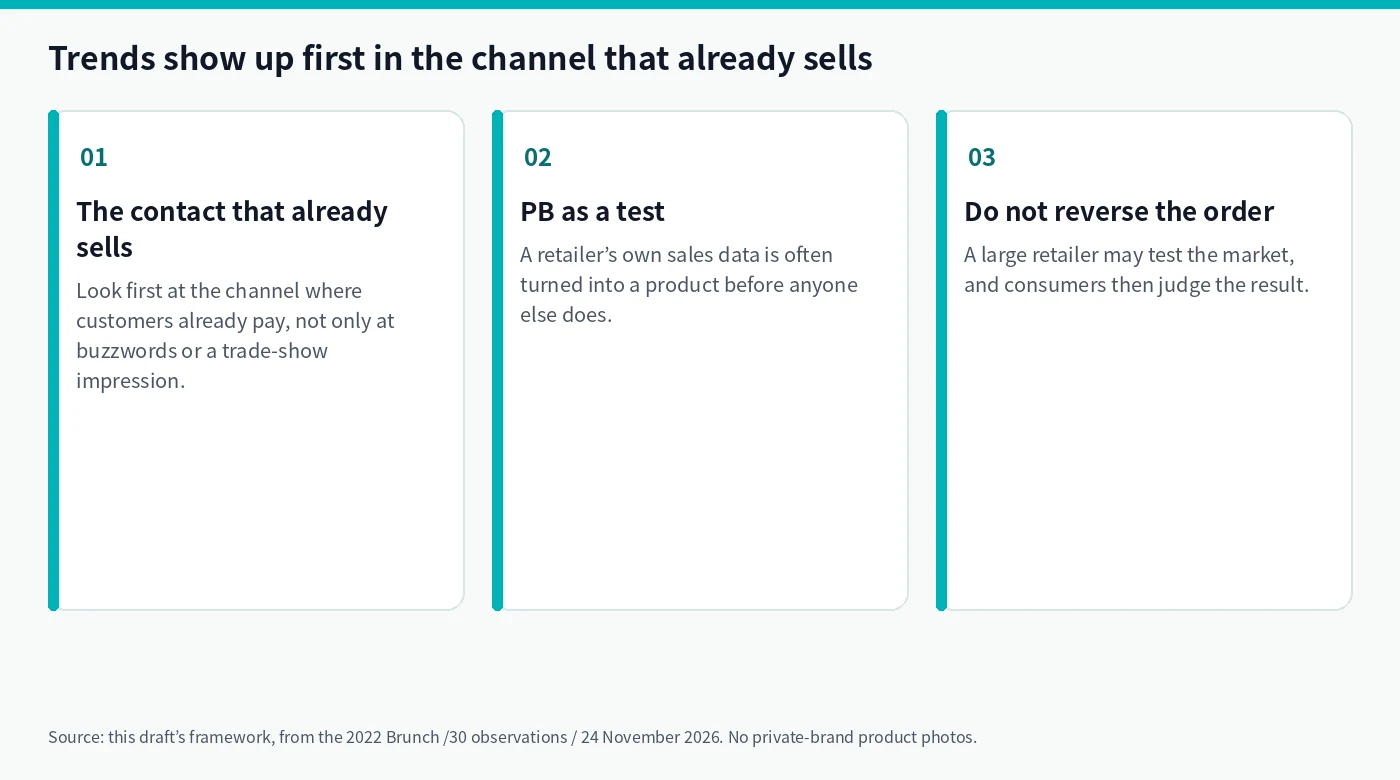
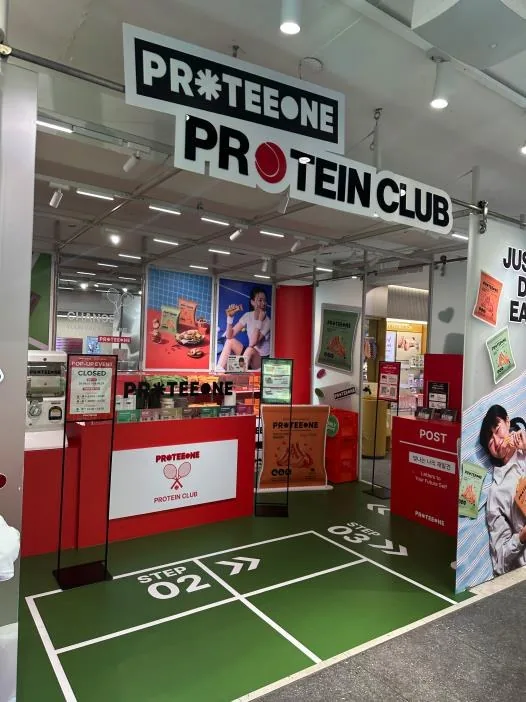
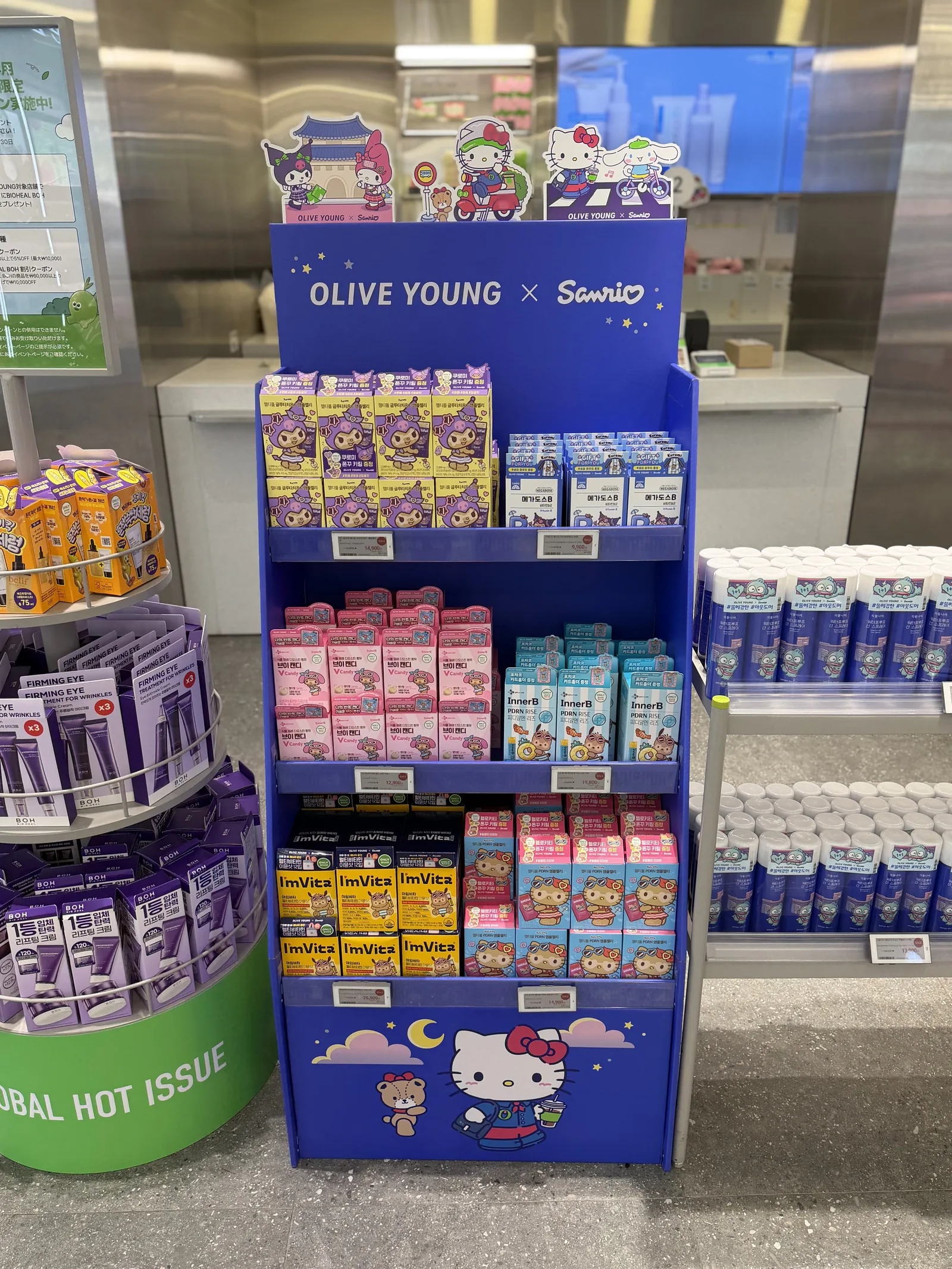
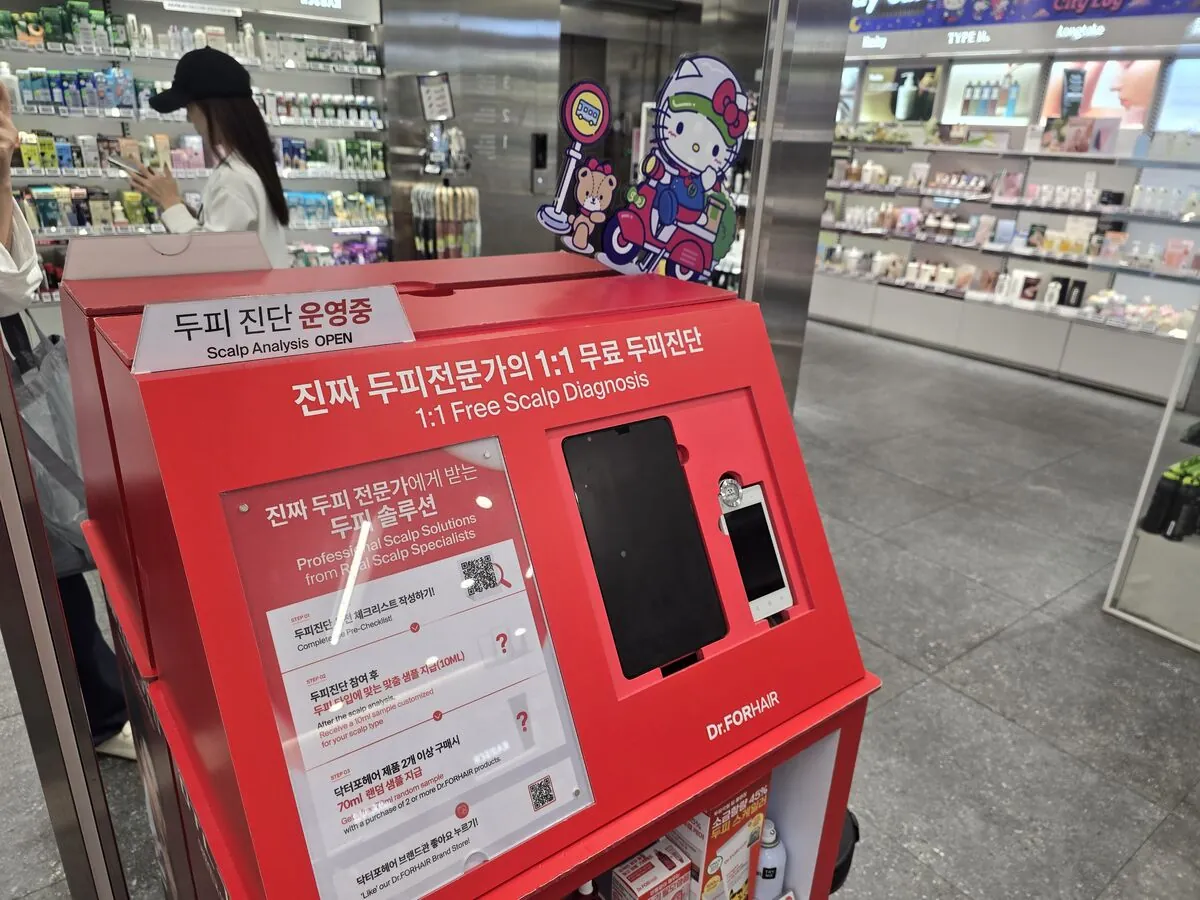
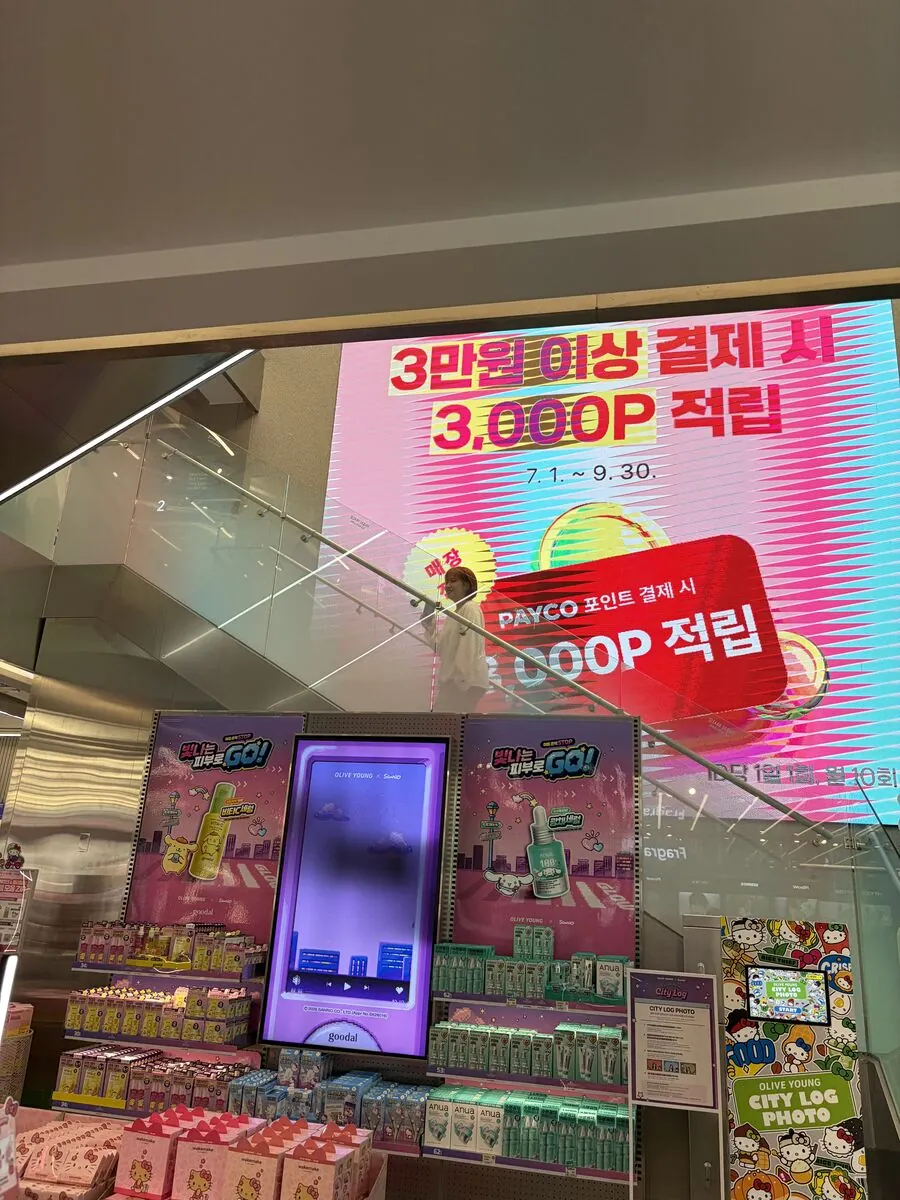
The 2022 source opened by saying beauty stacks several motives — care, self-image, values — and that corporate control in the industry is strong. Then it made the practical point simple. Where is the most revenue coming from? The answer is in the distribution channel, at the point where customers actually meet the product.
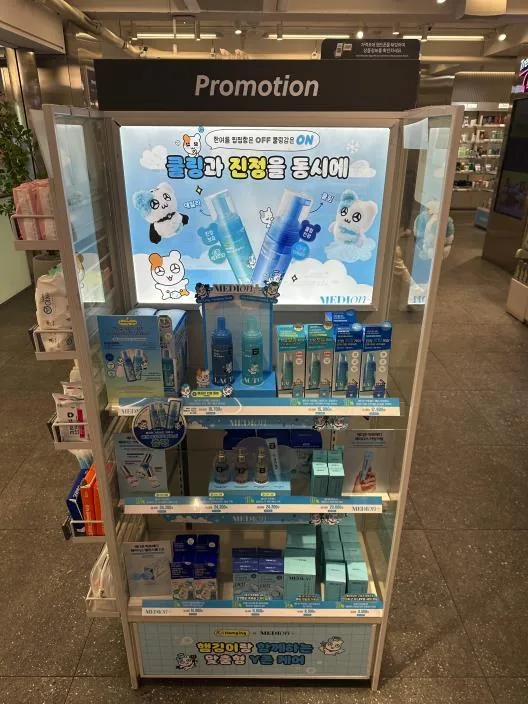
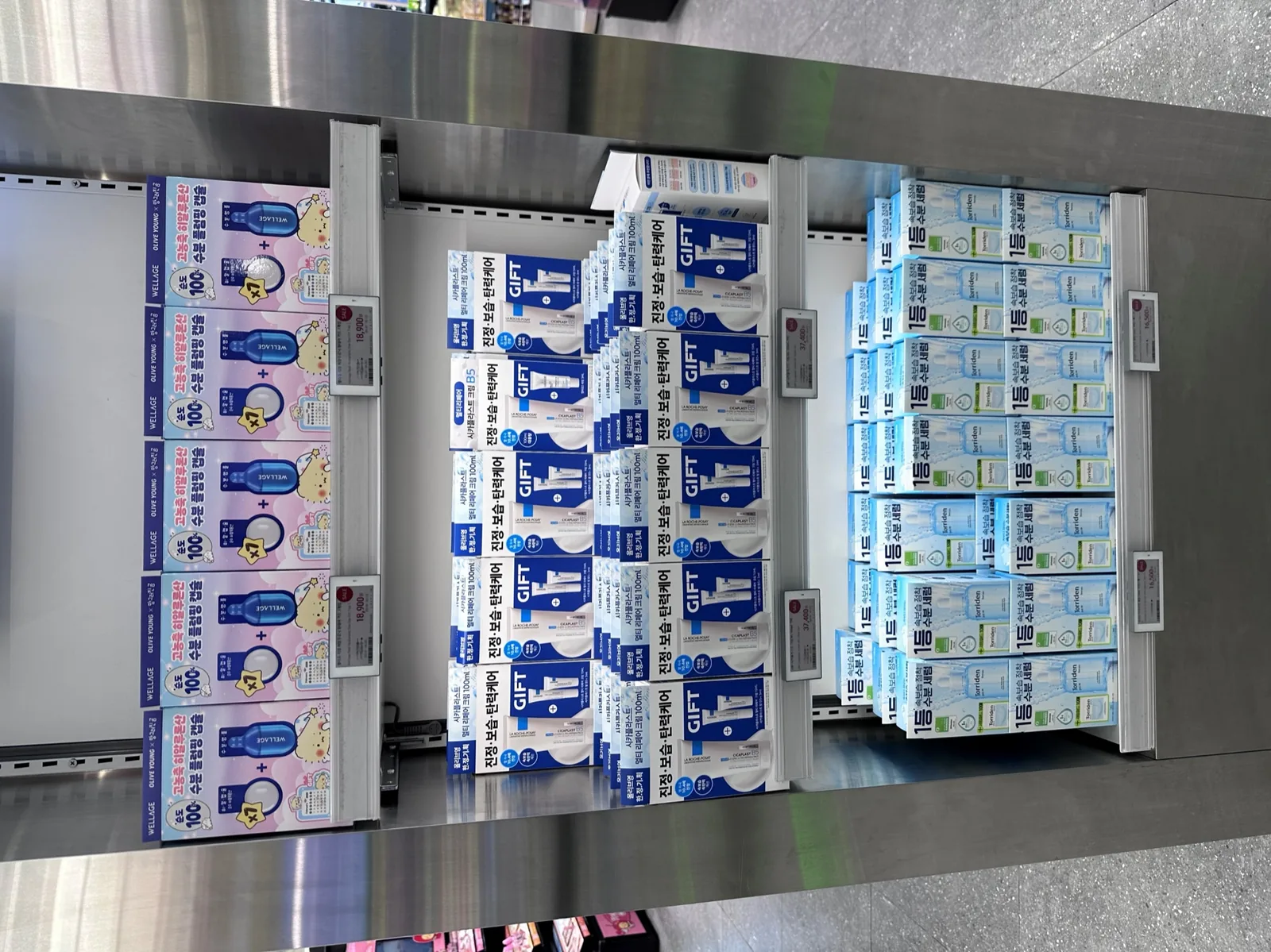
The background it gave at the time was the rise of e-commerce, and Olive Young’s work across stores and online. One of those moves was private brand. Before you collect trend words, look at the shelf and the screen that already sell. That is the working advice.
This is the trade-side pair to the must-buy article (https://beausglobal.com/insights/oliveyoung-must-buy-read-the-shelf). That article is about how shoppers should read a list. This one is about how a brand or importer should read the same shelf as a test bed. How the monthly record is kept is described on the Olive Young monthly report and the zh-SG report.
Data (source: Brunch, 2 June 2022; checked: 24 November 2026):
Singapore has its own large shelves — Watsons is a 60,500-volume Google query in the 22 November 2026 check, far above “olive young” at 19,100. That does not let us invent a Watsons or Guardian private-brand case. The principle still holds: read the channel that already sells, including any private brand it is using to test a gap.
Data (source: treg SE Ranking, as-of 22 November 2026, watsons 60,500 and olive young 19,100; checked: 24 November 2026):
Private brands show you what the retailer wants to grow

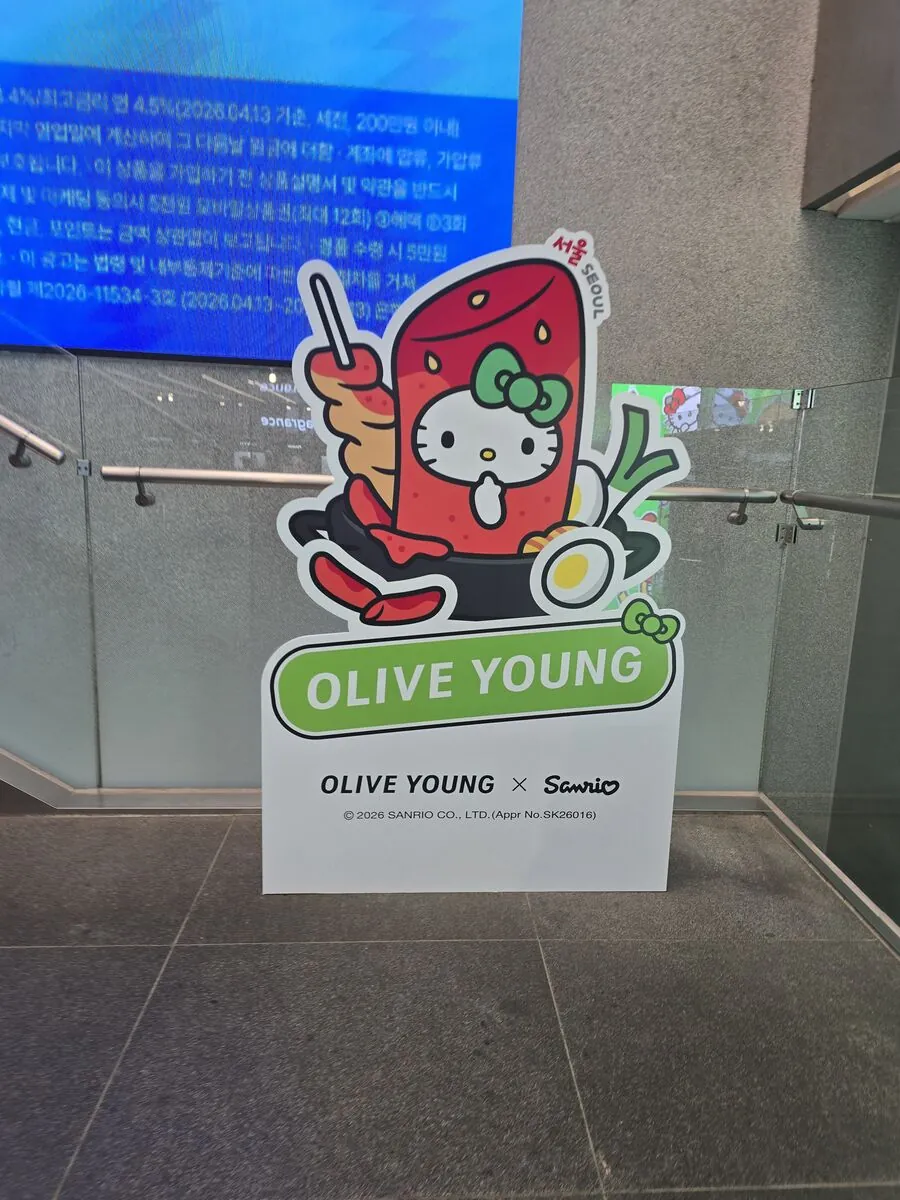
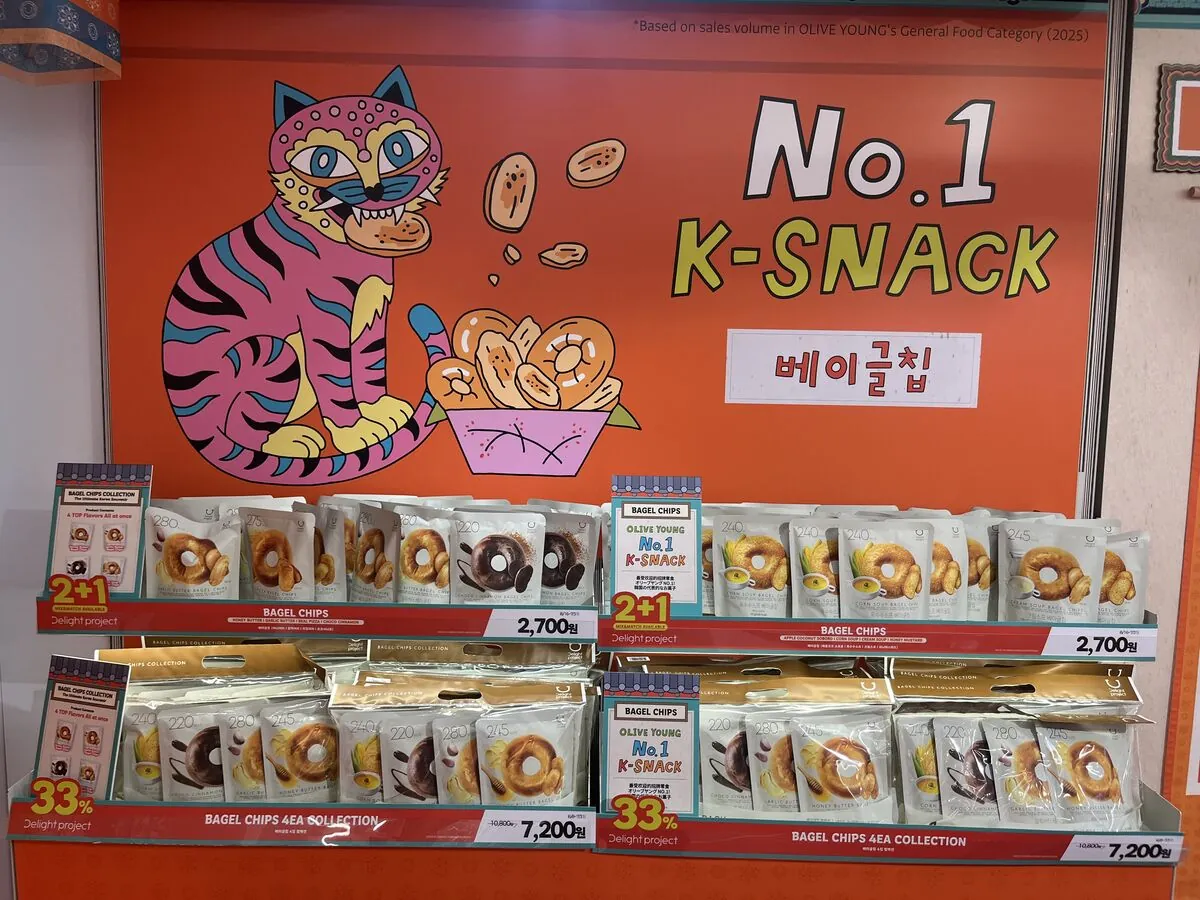
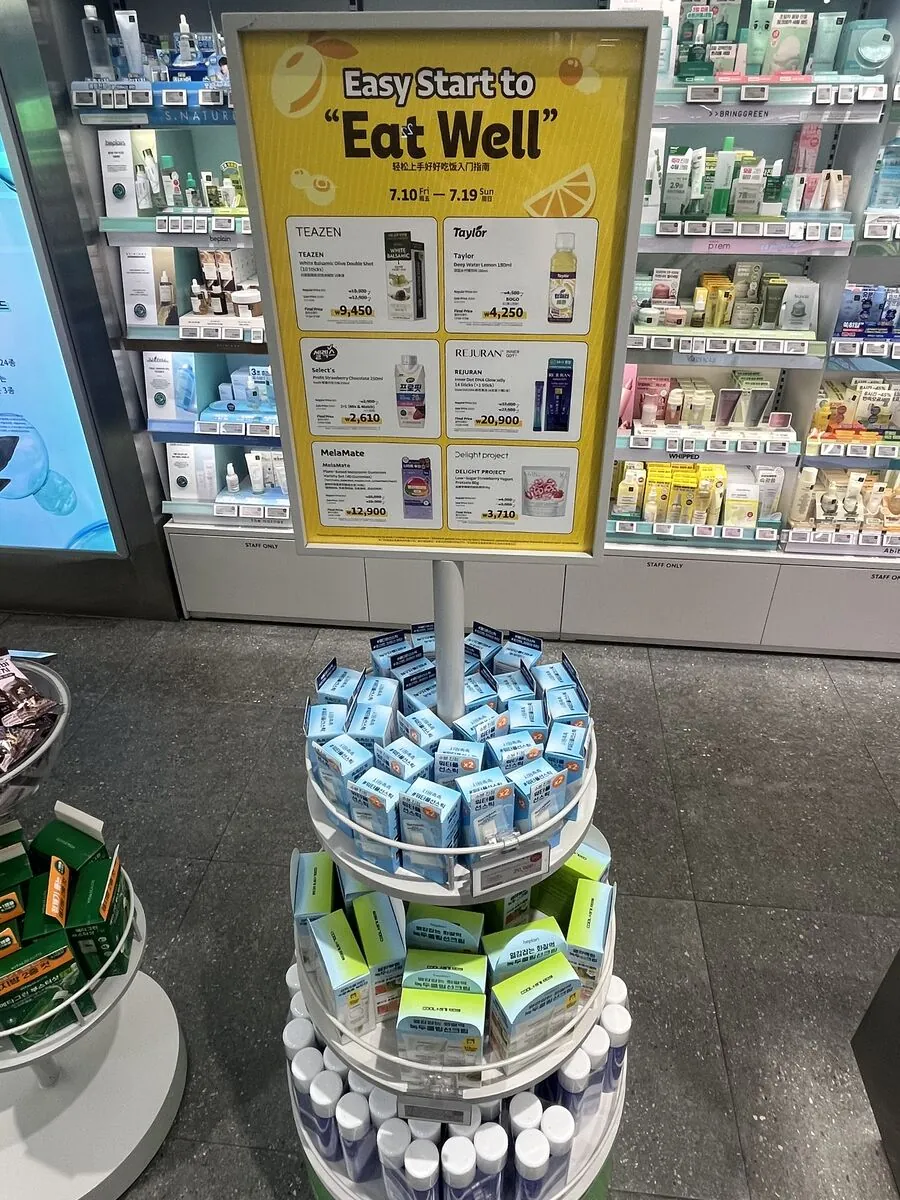
The 2022 article said the way a private brand is built is not unique to beauty. Retailers and platforms already know what sold, and in what quantity. They plan categories and products from that data. So a PB shelf can turn “what this channel wants to grow now” into a product faster than an outside brand can.
The source also used a food example: a product that sold well, then had its data carried into other products with convenience stores and platforms. That was about the sequence, not about beauty PB itself. This article does not widen that example.
It also noted that e-commerce players, including Coupang, have their own private brands, and pointed readers to another article for detail. What matters here is not a list of names. It is that the same logic works online.
The source said Olive Young’s private brands have used this method early. Beaus-handled PB names, and any EB contract history, are left out of this article, as they were in the Japan edition. The company blog should not widen client work. The principle is enough.
In practical terms, for a team in Singapore:
- In the channel you care about, what category is already selling hardest?
- Where is the private brand filling a gap first?
- If an outside brand wants the same shelf, is there a position that does not sit on top of that test?
The third question is the same cannibalisation point as the listing article (https://beausglobal.com/insights/oliveyoung-listing-not-just-the-formula). If the retailer is already testing a gap with its own PB, a lookalike proposal is harder to get through.
“The consumer chooses first” is a clean sentence. The 2022 source said that, in Korea’s large retailers, the firm often tests the market first, and consumers then decide. It also said that sequence is not always right. Even so, if you are incubating a brand and do not want to miss the next move, you still need to watch what the private brand is doing.
What can Singapore search tell us?
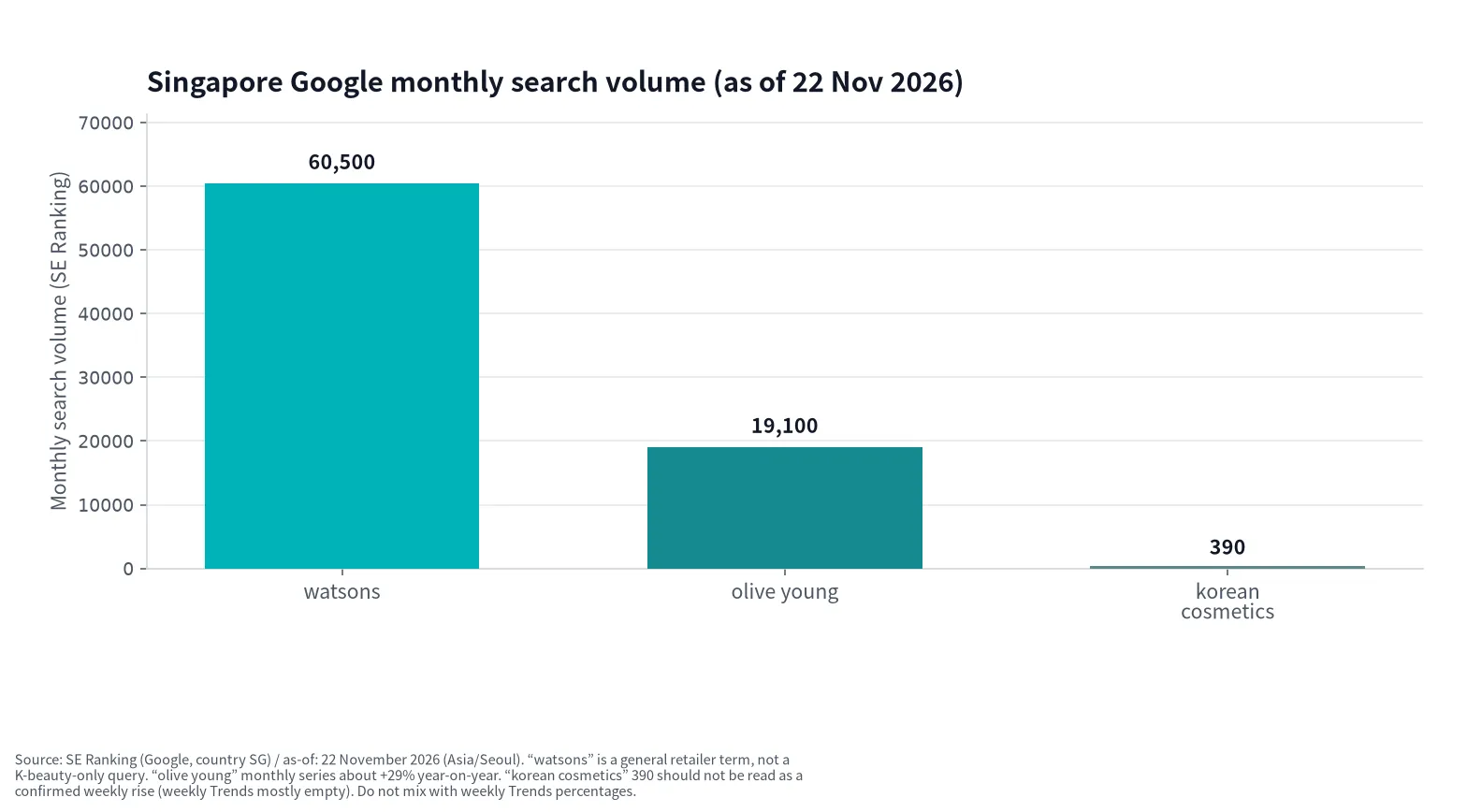
The 2022 source does not describe Singapore import permits, GST on inbound goods, or wholesale licensing. This article does not invent that process. What we do have is Google search volume as of 22 November 2026 (Asia/Seoul), country SG, from SE Ranking.
| Keyword | Monthly search volume | Note |
|---|---|---|
| watsons | 60,500 | Local retail. Not a Beaus brand query |
| olive young | 19,100 | Large consumer query; weekly Trends +25.3% in the same study |
| korean skincare (related) | 810 | Related term (ideas) |
| korean cosmetics | 390 | Monthly series was gently up (+14.6%). Weekly Trends were mostly empty, so that rise is not confirmed weekly |
| olive young global (related) | 360 | Related term (ideas) |
| influencer marketing / agency | 210 / 210 | Broad, not proven to be beauty-only. CPC 2.18. Weekly Trends unstable |
| k beauty / korean beauty | 180 / 170 | Small. Weekly “k beauty” series unstable |
| Olive Young listing, K-beauty marketing agency | — | No data in that study (this does not mean zero demand) |
Data (source: treg SE Ranking and SerpAPI Google Trends, as-of 22 November 2026, country-demand-treg.md; checked: 24 November 2026):
B2B demand is often moved by trade shows, introductions and email, not by a long Google query. A small search volume is not proof that there is no demand. What the public Google picture in Singapore shows is that the store name and local retail are large, while trade phrases are small or missing — but not necessarily empty. A later FAQ on import and GST could sit beside this article. This article does not write that process without a verified source.
By the data
Source: BEAUS COMPANY's own data collection. Olive Young product-detail snapshots on 2026-04-01 and 2026-11-10; the 226 products present on both dates.
Facts
- Among the top 10 brands by review growth for the 226 same products, 3 are food brands: Delight Project +109,249, CRUNTIN +43,121, FLIMEAL +36,660.
- No. 1 was MEDIHEAL at +366,596 (7 products); No. 2 was Delight Project (168,271 → 277,520, 2 products).
- Food as a category grew +226,166 across 11 products, 3rd among categories.
- One CRUNTIN product went from 12,099 to 55,220 reviews.
3 of the top 10 brands by review growth are food brands
Review growth by brand, 226 same products · 2026-04-01 → 2026-11-10
- MEDIHEAL7 products367K
- Delight Project2 products109K
- rom&nd4 products77K
- FILLIMILLI10 products58K
- numbuzin4 products55K
- CRUNTIN1 product43K
- peripera1 product42K
- WAKEMAKE5 products40K
- FLIMEAL2 products37K
- Anua5 products34K
Green = food brand
Source: BEAUS COMPANY's own data collection. Olive Young product-detail snapshots; review counts compared for the same product IDs present on both dates. Not sales volume.
Our read
Trends build up outside skincare too. On Olive Young's shelf, protein-shake and snack brands are collecting reviews. That fits the source article's point that the signal shows up first in the channel where customers already gather.
By BEAUS COMPANY's own collection, 3 of the top 10 brands by review growth on the same Olive Young products between 1 April and 10 November 2026 were food brands.
Limits: brand totals add only the same products caught on both dates (1 to 10 products per brand), so brands are not directly comparable. Review growth is not sales.
FAQ
Where should you look for the next trend?
Look first at the distribution channel that already sells the most. That is where customers meet the product.
Why watch private brands?
Because a retailer’s own sales data often becomes a product there first. The gap the channel wants to grow can show up on the PB shelf.
Doesn’t the consumer choose first?
The consumer still buys. The 2022 source said that in large Korean retail, the firm often tests first, and consumers then judge the result.
Does this article explain how to import into Singapore?
No. The source does not cover Singapore permits or GST, and those rules have not been verified here, so they are not written up. What we can see, as of 22 November 2026, is consumer and some trade search demand on Google.
Why are individual PB names missing?
The source names some projects. This article does not widen client work, and keeps the principle only.
Key takeaways
- A trend shows up first in the channel that already sells.
- Private brands are often where a retailer turns data into a product.
- In Singapore, Google shows a large store-name and local-retail query, and a smaller “korean cosmetics” query. Import process is not covered here.
- Beaus-handled PB names and contract history are not used.
Source: 마케팅사 대표가 트렌드를 읽는 노하우
Sources
- Data: Jinho Park, “마케팅사 대표가 트렌드를 읽는 노하우”, Brunch, 2 June 2022. https://brunch.co.kr/@jinhorus/30 . The channel that sells, private brands and data, the test-then-consumer sequence. Checked 24 November 2026.
- Data: treg SE Ranking and SerpAPI Google Trends, as-of 22 November 2026. watsons 60,500; olive young 19,100 and weekly +25.3%; korean cosmetics 390.
- Unverified: Singapore import and GST process; current PB sales at any named retailer; weekly confirmation of the “korean cosmetics” monthly rise.